Rwanda hosted PASET Governance Meetings in Kigali

Kigali 02 February 2023: Hon. Dr Valentine Uwamariya chaired the PASET Governing Council Meeting, one of the three key governance organs meetings took place in Kigali including Consultative Advisory Group and Executive Meetings.
While opening PASET Governing Council Meeting Hon. Dr Uwamariya acknowledged PASET approach to developing necessary skills in STEM at higher education and TVET level which helps African countries to take advantage of economies of scale and collaborate via that flexible platform.
 Dr Valentine Uwamariya, Minister of Education and current PASET Governing Council Chair.
“One of the particular strengths, supported through the Regional Scholarship and Innovation Fund (RSIF) programme, is to support the strengthening African universities to become top-quality institutions for doctoral training, research and innovation”.
Two hundred and ninety-one students are pursuing PhD degrees as part of the Partnership for skills in Applied Sciences, Engineering and Technology (PASET), and Africa can’t achieve its desired development without skilled workforce in science and technology. the Minister of Education, Valentine Uwamariya added.
African countries still have a few graduates on the level of doctorate, she said, adding that it's one of the reasons why PASET, which currently has 11 member states namely Ethiopia, Rwanda, and Senegal as founding members while other 8 members Benin, Cote d’Ivoire, Burkina Faso, Ghana, Kenya, Nigeria, Mozambique, and Tanzania joined later.

Minister Uwamariya who is currently chairing PASET’s Governing Council also declared that each country must contribute $2 million, but the money is not enough considering the workforce needed in science, engineering, and technology, adding that it’s the reason why they expanded partnership by working with sponsors, including the Government of Korea as well as the World Bank and among the 291 students who won scholarships to pursue PhDs through PASET are 20 Rwandans, of which four have graduated.
The PASET Meetings include all the key governance organs – the PASET Governance Council, Executive Board and Consultative Advisory Group. According to Uwamariya, this time, the members convened in Kigali to review and approve the work of PASET over the last year and support the work plan for the coming years.
Prof Goolam Mohamedbhai, Chairman of PASET’s Consultative Advisory Group which advises the executive group and the governing council on matters that are related to academic and technical issues, believes that the partnership will improve applied science, engineering and technology. When PASET was established in 2013, they realised that the low number of PhD holders in Africa was limiting the continent from doing research as well as innovating.
He declared that in the next phase of PASET, member states seek to focus on developing Technical and Vocational Education Training (TVET) given that they have realised that it’s another important aspect for all African countries.
“You cannot have only high-level PhD graduates. You need TVET people at high level to support industrialisation and development process,” Mohamedbhai said.
John Ntim Fordjour, Member of Parliament, and Deputy Minister of Education in Ghana asserted that the emphasis of PASET is on producing critical mass of people and giving them the skills required particularly in the areas of applied sciences, engineering, and technology the areas he said are relevant and must occupy the focus of the education system continent-wide.
John Ntim Fordjour, Member of Parliament, and Deputy Minister of Education in Ghana
“Africa as a continent has unique challenges, but we do also have some enormous opportunities and potentials we must tap into,” he explained. “60 per cent of the population in Africa are under the age of 25 and by 2030, it is predicted that 42 per cent of the global youthful population will be Africans. But we also need to juxtapose that the research that was done by education commission in 2020 predicted that if nothing changes in our education system globally by 2030, 825 million of young people will reach adulthood without the skills needed to thrive into this world. It is a huge threat that must be tackled with serious investment and emphasis on applied sciences, engineering and technology.”
Jean Nepomuscene Hakizimana, a PASET beneficiary who pursued his PhD at Sokoine University of Agriculture and graduated in 2021, said that his PhD focuses on molecular epidemiology and geonomics of viral pathogens.

“What we do is to look at the genetic parts of viruses responsible for their viral antigens, attenuate them and then produce the vaccine. We also design the diagnostic tools,” he said.
Hakizimana also noted that the expertise he has gained in his PhD has been used in Rwanda to fight African Swine Fever (ASF), a highly contagious viral disease of pigs, in partnership with the Rwanda Agriculture and Animal Resources Board (RAB).
“We use molecular techniques acquired during this programme to diagnose the disease and then develop and apply effective control measures,” he explained.
During PASET Governance Meetings, participants toured exhibitions of PASET funding program beneficiaries which has so far supported over 291 PhD students of which 9 have graduated to-date. It also offered 44 research and innovation grants via its competitive grant mechanism.
Established by the governments of Rwanda, Ethiopia, and Senegal in 2013, PASET aims to support African countries to build a skilled labour force by focusing on the continuum of skills from foundational skills to upper, secondary, technical, vocational training as well as higher education, scientific research, and innovation.
Topics

The Ministry of education introduces new reforms to strengthen teaching, learning and student development
The Ministry of Education is introducing a series of reforms designed to improve the quality of education, strengthen the teaching profession and…

MINEDUC–World Bank partnership transforms Rubengera TTC into a modern teacher training hub
A partnership between the Ministry of Education (MINEDUC) and the World Bank has transformed Rubengera Teacher Training College in Karongi District…

Improved Learning Infrastructure Expands Opportunities for Learners in Rubavu
Investments in school infrastructure are helping learners access quality education and pursue their aspirations with greater confidence. At GS Umubano…

MINEDUC through HEC Launches Nationwide Outreach, Urges Universities to Align with National Priorities
The Ministry of Education through Higher Education Council, launches a nationwide outreach program to higher learning institutions (HLIs), aimed at…

University of Rwanda Launches Centre for Genocide and Conflict Studies
University of Rwanda Launches Centre for Genocide and Conflict Studies, the event that brought together government officials, members of parliament,…
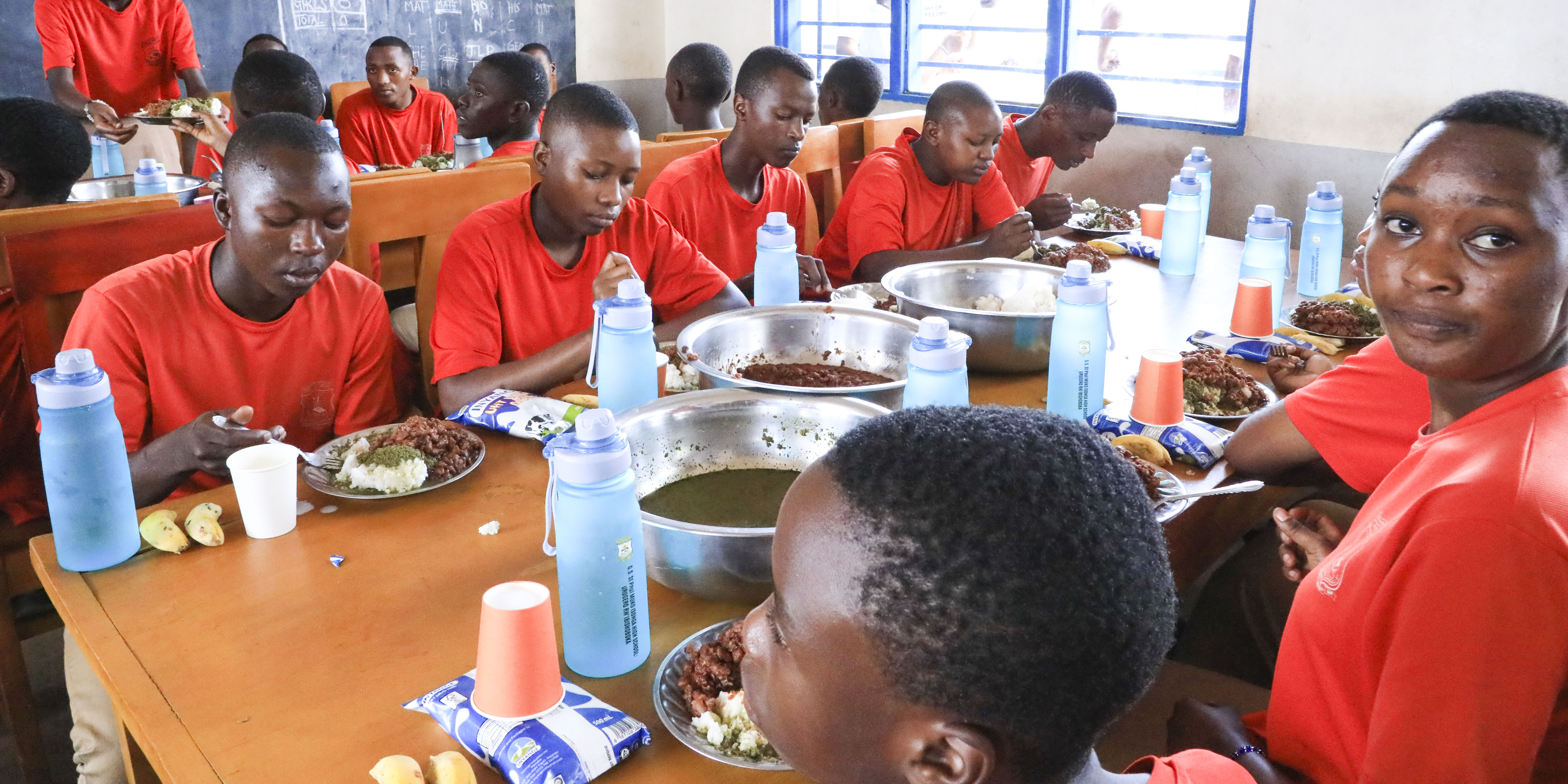
SCHOOL FEEDING HAS SIGNIFICANTLY REDUCED SCHOOL DROPOUT
Rwanda, celebrates the national day of school feeding held on March 6, 2026, in Western Province, Rusizi District, Bugarama Sector at Groupe Scolaire…
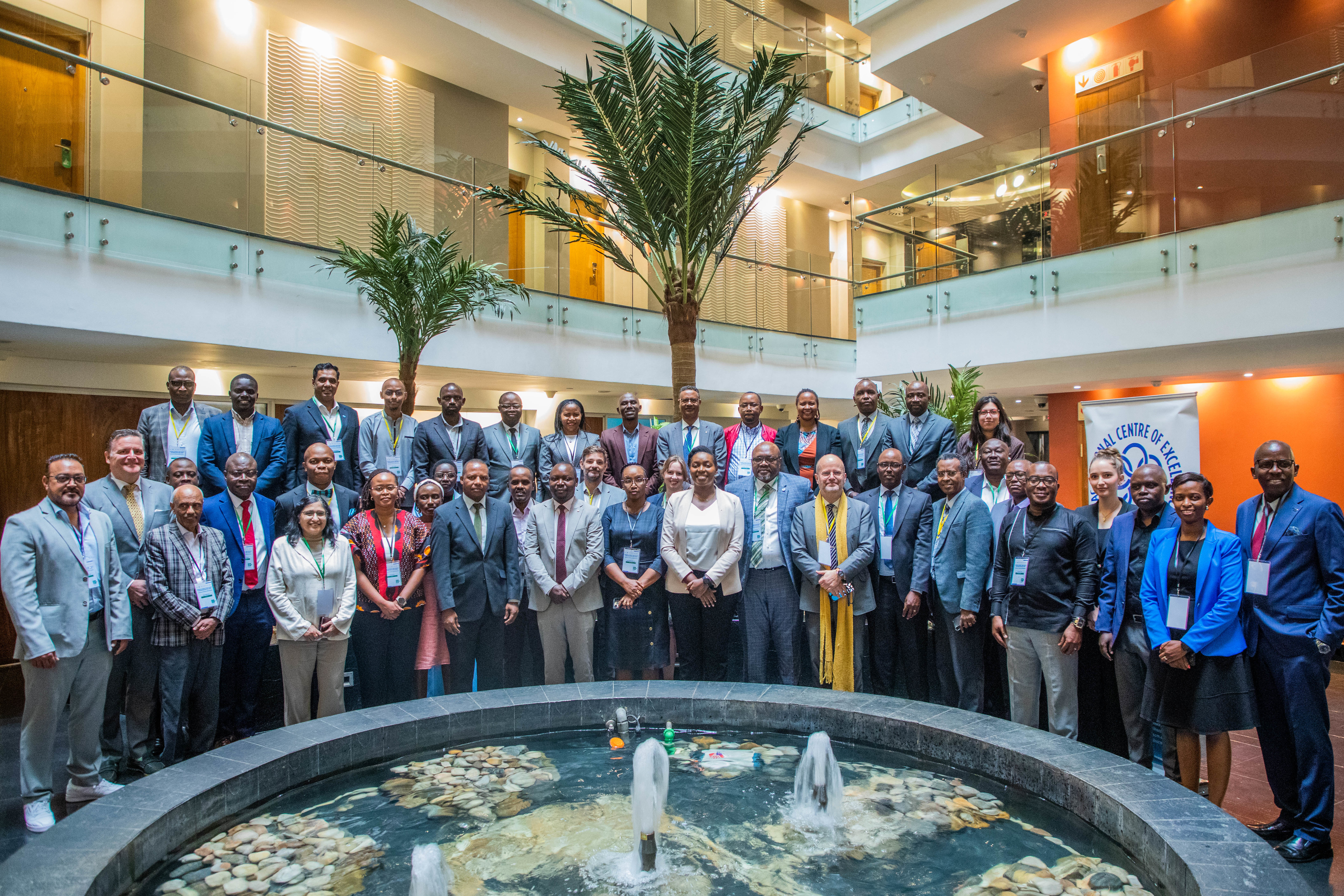
Africa CDC launches East Africa regional capability network to strengthen health workforce and local health product manufacturing
From 25–26 February 2026, leaders from government, academia, industry, and development partners convened in Kigali for the inaugural Regional…
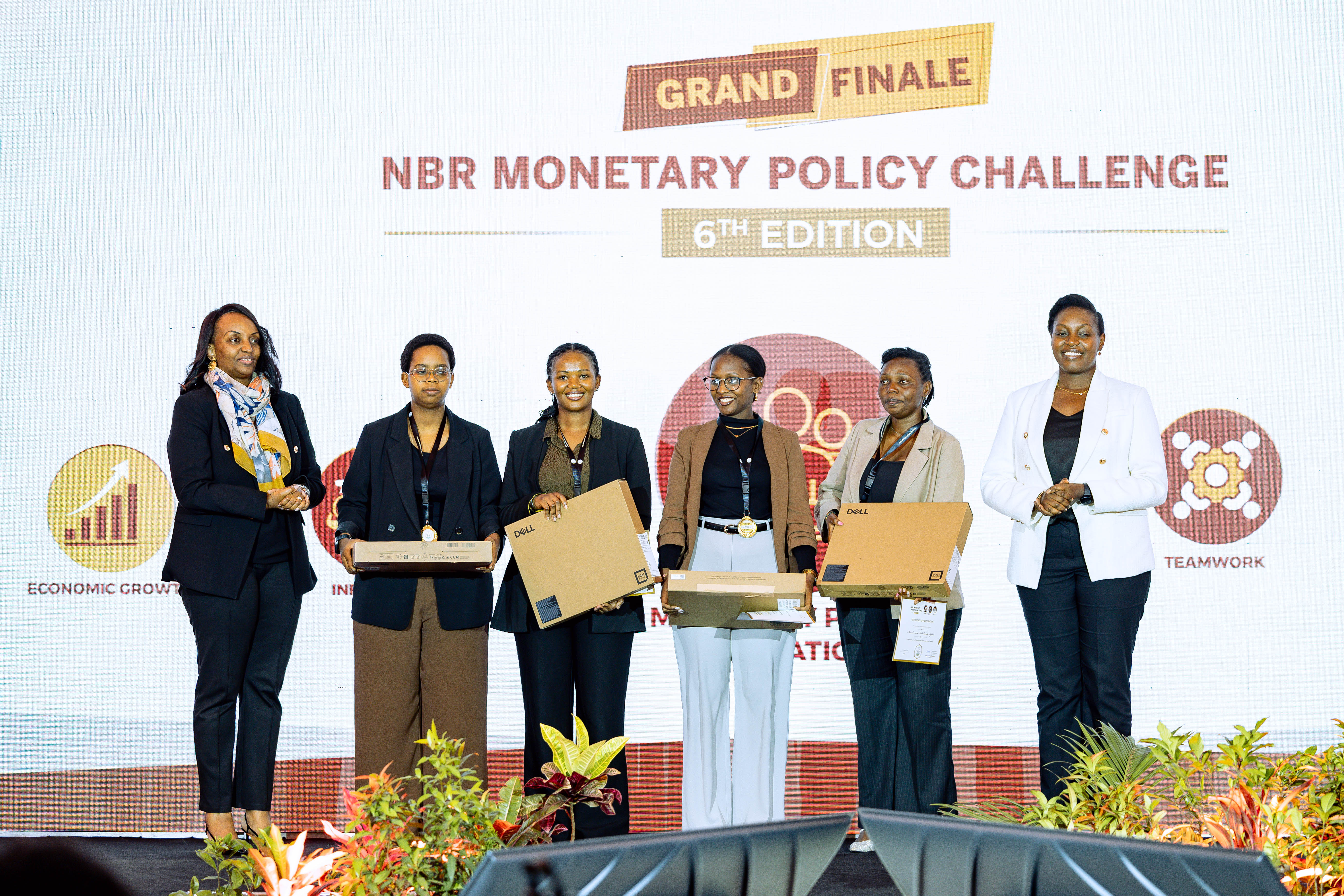
Minister of State for Education, Claudette Irere joins participants at the closing of the Sixth Edition of the Monetary Policy Challenge
Minister of State for Education, Claudette Irere joins participants at the closing of the Sixth Edition of the Monetary Policy Challenge, celebrating…

GLOBAL CONFERENCE IN RWANDA FOCUSES ON EDUCATION, HEALTH, AND SUSTAINABLE LEARNING
From 19–21 February 2026, Rwanda hosted the Global Learning Conference in Africa, bringing together educators, policymakers, thought leaders,…
