University of Rwanda Launches Centre for Genocide and Conflict Studies

University of Rwanda Launches Centre for Genocide and Conflict Studies, the event that brought together government officials, members of parliament, academics, and international partners. The occasion highlighted Rwanda’s continued commitment to ensuring that the lessons of history guide both present and future actions.
The launch of the Centre for Genocide and Conflict Studies (CGCS) marks a major step in strengthening Rwanda’s capacity for research, education, and policy engagement in genocide prevention, peace building, and conflict transformation.
Speaking at the launch, the Minister of Education, Joseph Nsengimana, stressed that the Centre aligns with the country’s Vision 2050, which prioritizes knowledge, innovation, and human capital development.
“In Rwanda, genocide prevention is not a policy choice it is a constitutional obligation. “The Centre we launch today is therefore not an isolated academic initiative. It is part of a broader national architecture of prevention, resilience, and unity. At the same time, our aspirations as a nation are clearly articulated in Vision 2050, which positions knowledge, innovation, and human capital development at the heart of Rwanda’s transformation. We recognize that sustainable peace is not built by chance; it is built through deliberate investment in education, research, and critical inquiry. “Peace is not merely the absence of conflict; it is the presence of knowledge, justice, and shared values.”
Nsengimana also warned of emerging global challenges, including identity-based conflicts, violent extremism, and the spread of hate-driven ideologies. In this context, he said the Centre will play a key role in advancing interdisciplinary research and preparing a new generation capable of understanding and preventing conflict.
The Centre for Genocide and Conflict Studies builds on the legacy of the former Centre for Conflict Management and is expected to evolve into a leading hub of excellence. Its mandate includes conducting rigorous research, fostering dialogue, contributing to curriculum development, and engaging communities to translate knowledge into practical impact. A strong focus will also be placed on youth empowerment by equipping young people with critical thinking skills, ethical values, and tools for peaceful conflict resolution.
In his remarks, the Vice-Chancellor of the University of Rwanda, Prof Didas Kayihura Muganga, described the Centre as a renewed and strengthened version of the previous institution, adapted to current national, regional, and global realities.
“Thirty-two (32) years only after the genocide against the Tutsi, conflict dynamics in the Great Lakes region are becoming even more complex. Genocide denial and hate ideology amplified by unethical use of social media and new technologies are taking worrying dimensions. Internally, reports from competent institutions consistently point to rampant genocide ideology despite remarkable efforts to promoter reconciliation. Recent parliamentary consultations rightly concluded that “Genocide ideology is persistent in Rwanda and the region” and called for the fight against this ideology through various means, including education and media.”
The University reaffirmed its commitment to supporting the Centre and called for strong collaboration with partners to ensure its success. As Rwanda continues its journey of unity and reconciliation, the CGCS is expected to serve as a vital platform for transforming memory into knowledge and knowledge into action contributing to a more peaceful nation, a more stable region, and a more humane world.
Topics

The Ministry of education introduces new reforms to strengthen teaching, learning and student development
The Ministry of Education is introducing a series of reforms designed to improve the quality of education, strengthen the teaching profession and…

MINEDUC–World Bank partnership transforms Rubengera TTC into a modern teacher training hub
A partnership between the Ministry of Education (MINEDUC) and the World Bank has transformed Rubengera Teacher Training College in Karongi District…

Improved Learning Infrastructure Expands Opportunities for Learners in Rubavu
Investments in school infrastructure are helping learners access quality education and pursue their aspirations with greater confidence. At GS Umubano…

MINEDUC through HEC Launches Nationwide Outreach, Urges Universities to Align with National Priorities
The Ministry of Education through Higher Education Council, launches a nationwide outreach program to higher learning institutions (HLIs), aimed at…
University of Rwanda Launches Centre for Genocide and Conflict Studies
University of Rwanda Launches Centre for Genocide and Conflict Studies, the event that brought together government officials, members of parliament,…
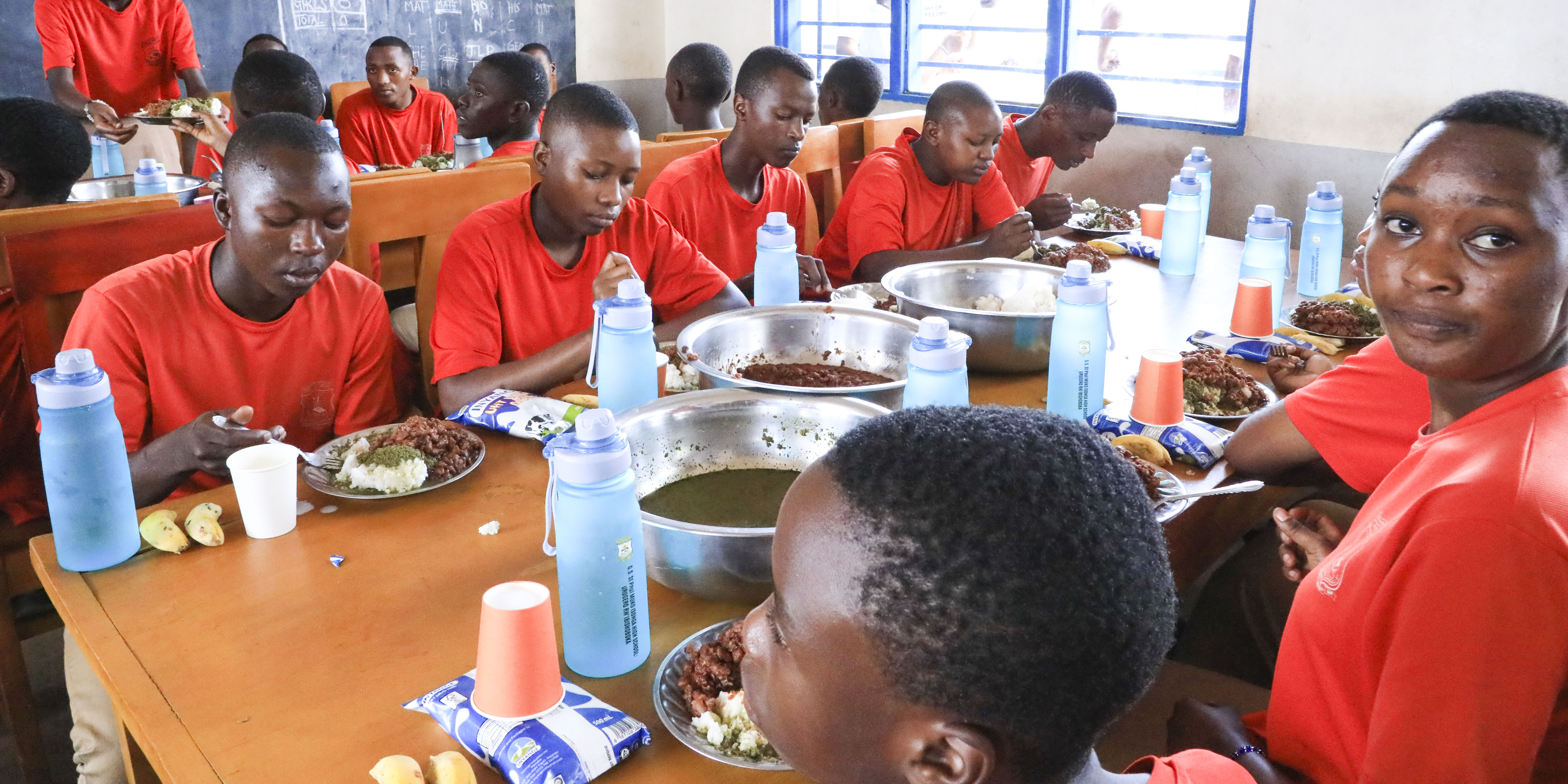
SCHOOL FEEDING HAS SIGNIFICANTLY REDUCED SCHOOL DROPOUT
Rwanda, celebrates the national day of school feeding held on March 6, 2026, in Western Province, Rusizi District, Bugarama Sector at Groupe Scolaire…
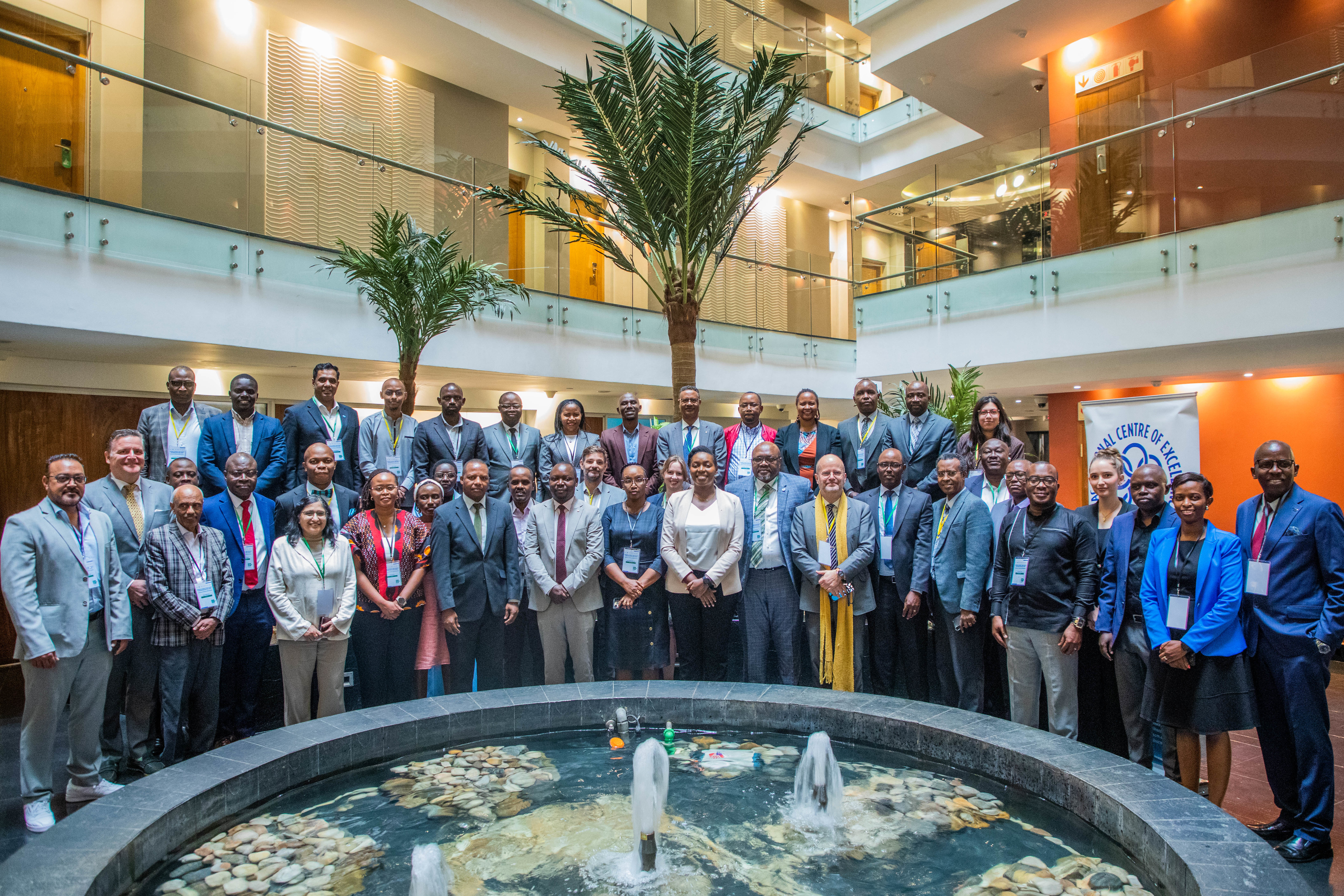
Africa CDC launches East Africa regional capability network to strengthen health workforce and local health product manufacturing
From 25–26 February 2026, leaders from government, academia, industry, and development partners convened in Kigali for the inaugural Regional…
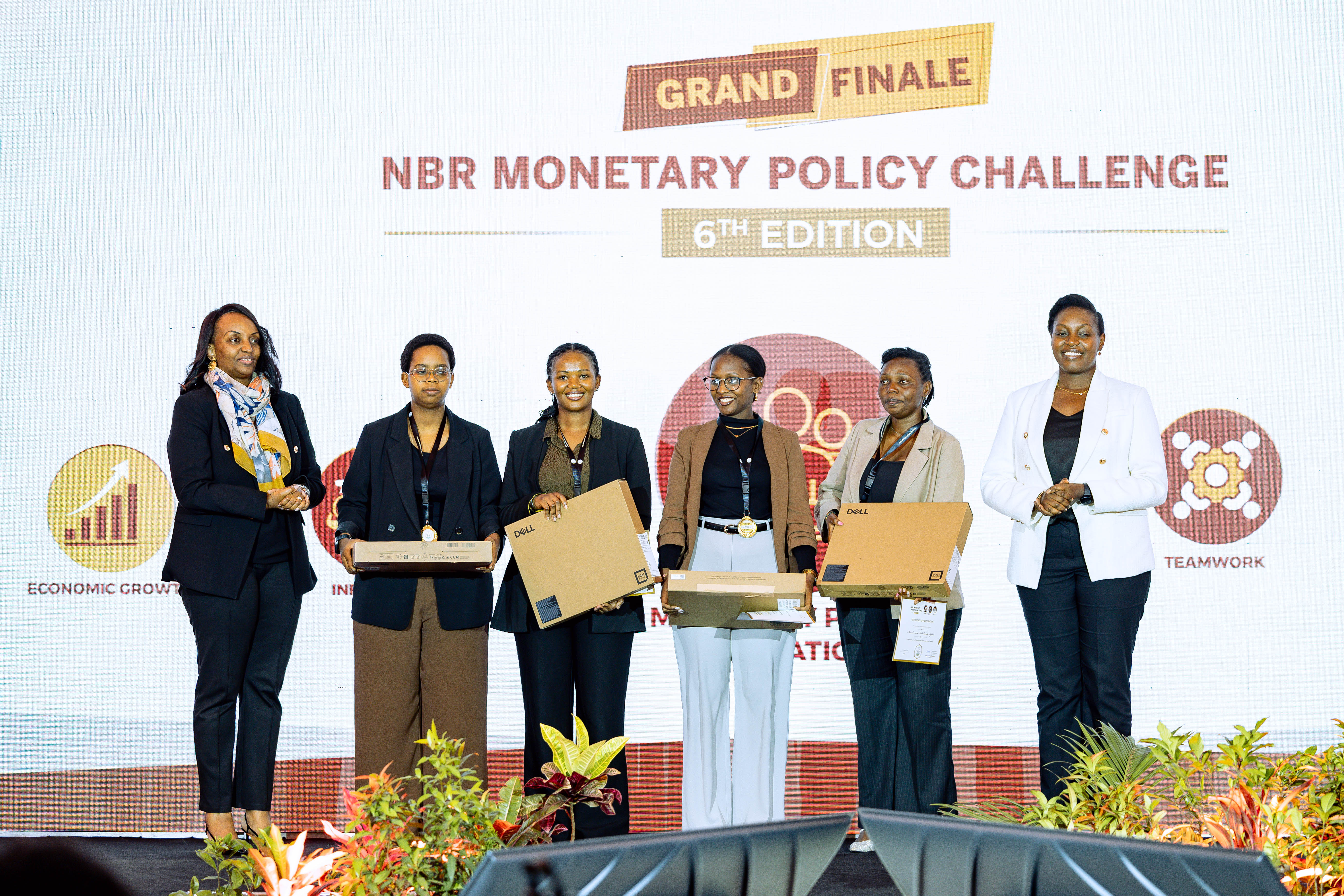
Minister of State for Education, Claudette Irere joins participants at the closing of the Sixth Edition of the Monetary Policy Challenge
Minister of State for Education, Claudette Irere joins participants at the closing of the Sixth Edition of the Monetary Policy Challenge, celebrating…

GLOBAL CONFERENCE IN RWANDA FOCUSES ON EDUCATION, HEALTH, AND SUSTAINABLE LEARNING
From 19–21 February 2026, Rwanda hosted the Global Learning Conference in Africa, bringing together educators, policymakers, thought leaders,…
